A Grocery Assistant With a Nutrition Brain
Schnucks and Boston-based VitalityIP announced an agentic AI shopping assistant that will arrive in the Schnucks Rewards app and on schnucks.com in late summer 2026. The assistant offers personalized nutrition guidance, meal ideas, and product recommendations tuned to goals like weight management, healthy aging, recovery, and family wellness. Its intelligence layer is built from more than 6 billion lines of shopping, health, and nutrition data, and VitalityIP's proprietary database bridges medical-grade health insights with ingredient-level product detail.
Tom Henry, Chief Data and Information Officer at Schnucks, said customers want trusted guidance across many aspects of their visits, and framed the launch around the idea that food is medicine while acknowledging that personalized nutrition has not been available where people make daily food decisions. VitalityIP co-founder and CEO Sarah Hoit described the agent as a personalized digital shopping assistant rather than a search bar. The framing positions this as an advisory layer on top of commerce, which is a meaningfully different product than a meal-planning bot.
Why a Regional Grocer Moved First
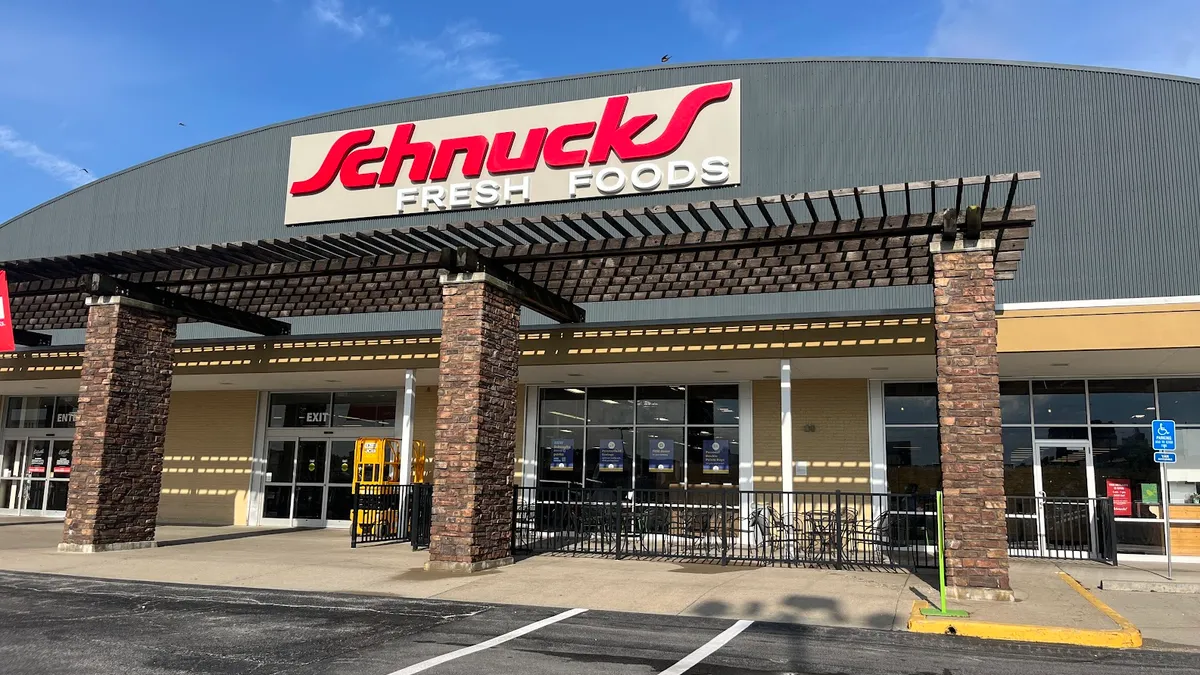
Schnucks operates 112 stores across Missouri, Illinois, and Indiana with more than 11,000 employees, and has run as a family-owned grocer since 1939. That profile makes it an interesting first mover. The dominant narrative in retail AI has national chains and hyperscaler partnerships setting the pace, yet here a regional operator is fielding a differentiated, health-focused assistant ahead of most of its larger peers. Regional grocers compete on trust and community relationships, and a nutrition advisor plays directly to that strength.
The strategic read is that scale is not the only path to a credible AI product. VitalityIP built the intelligence layer and designed the platform for white-label use across retailers, health systems, and employers, which lets a mid-sized grocer deploy a sophisticated agent without building the model itself. For enterprise leaders, this is a reminder that the partner ecosystem has matured to the point where a 112-store chain can ship capabilities that used to require a national-chain budget. The differentiation comes from the use case and the data, not the headcount.
Who Owns the Customer Matters
One structural detail deserves attention. Schnucks retains ownership of the customer relationship, the shopper data, and the brand experience, while VitalityIP supplies the AI and its proprietary database. That arrangement is the right posture for a retailer partnering with an AI vendor, because the customer data and the relationship are the grocer's most durable assets. Handing those to a platform in exchange for capability is the mistake that leaves retailers commoditized, and Schnucks structured the deal to avoid it.
This ownership question is the one every retail leader should press in AI partnership talks. The vendor brings the model and the specialized data, and the retailer must keep the identity graph, the transaction history, and the front-of-house brand. Schnucks and VitalityIP co-developed the technology using real customer journeys and actual store inventory, which grounds the assistant in the grocer's specifics while keeping the underlying customer data on the retailer's side of the line. That balance is harder to negotiate than it looks, and it is worth getting right.
Health Is the New Loyalty Battleground
The deeper signal is where grocery competition is heading. Convenience and price have been the primary axes, and delivery speed and basket assembly have dominated the recent AI assistant launches from Kroger and others. Schnucks is opening a different front, competing on health outcomes and trusted guidance. The food-as-medicine thesis has real consumer pull as shoppers increasingly manage weight, chronic conditions, and family wellness through diet, and a grocer that helps them do that captures loyalty that price alone cannot buy.
There is commercial logic beneath the wellness framing. A nutrition assistant that steers a shopper toward specific products creates a high-intent recommendation surface, which is valuable to CPG brands and to the grocer's own private label and fresh categories. It also lengthens engagement, because health goals are ongoing rather than transactional. Schnucks is positioning the assistant as a reason to keep coming back, which is the loyalty flywheel every grocer wants. The health angle is both a differentiator and a monetization path.
The Liability and Trust Questions
Putting health guidance in a shopping assistant raises risks that a meal-planning bot does not. Nutrition advice that touches weight management, recovery, and family wellness sits close to territory where bad guidance can cause harm, and shoppers may read the assistant's recommendations as medical advice even when they are framed as general wellness. VitalityIP's use of medical-grade insights is reassuring, and the harder problem is expectation management and the boundary between helpful suggestion and clinical claim.
For any retailer following this path, the governance work is non-negotiable. That means clear disclaimers, guardrails on the claims the agent can make, and careful handling of the health data shoppers share, which carries heavier privacy expectations than a grocery list. The upside of a trusted health advisor is large, and so is the downside of an assistant that oversteps or mishandles sensitive data. Schnucks is early enough that it can set these standards deliberately, and how it does so will be a template, positive or cautionary, for the grocers that follow.
What Leaders Should Take Away
The Schnucks move is worth studying for three reasons. It shows that agentic assistants can differentiate on use case rather than raw model horsepower, it demonstrates a partnership structure that keeps customer ownership with the retailer, and it stakes out health as a competitive axis distinct from the convenience race everyone else is running. Any of those alone would be notable, and together they make a regional grocer a more interesting case study than the national launches getting more attention.
The open question is execution. The assistant lands in late summer, and the value depends on whether shoppers trust it enough to change behavior and whether the nutrition guidance proves genuinely useful rather than generic. VitalityIP's 6 billion lines of data and Schnucks' real customer journeys give the product a credible foundation. The measure of success will be repeat engagement and whether health-guided baskets shift the mix toward fresh and better-margin categories. If it works, expect the white-label playbook to spread quickly across regional grocery.