A Safety Hire, Not an Engineering One
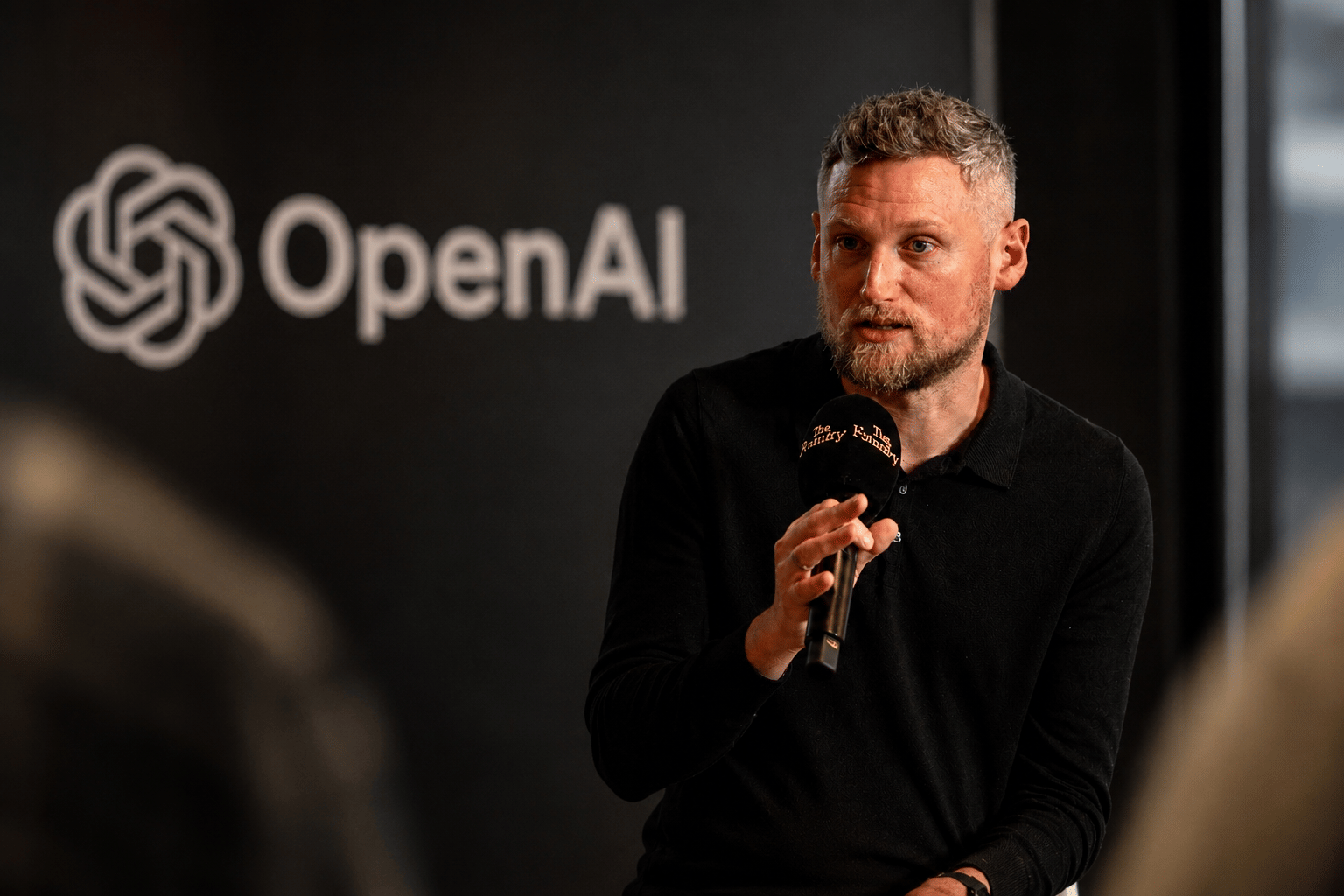
On June 30 OpenAI confirmed that its highest-profile recent hire is not a researcher chasing the next model. It is John Buckley, a child-safety specialist with roughly fifteen years in child protection and online safety, joining the Product Policy team to lead child safety and youth wellbeing. For a company whose every announcement is usually a capability flex, choosing to spotlight a safety appointment is itself the message. The constituency OpenAI is addressing is regulators, parents and the schools that have become some of its most sensitive customers.
Buckley's path is telling. He led child-rights and safety work at LEGO Group, ran child-safety policy at Google, and before that handled child safety, YouTube Kids and livestream enforcement across Europe, the Middle East and Africa. He worked on child-safety problems at Facebook and Instagram and began with Ireland's SpunOut.ie, the ISPCC and Childline. This is a career built entirely on protecting young users on platforms that moved faster than their safeguards. OpenAI is buying that scar tissue.
Why an Edtech Audience Should Care
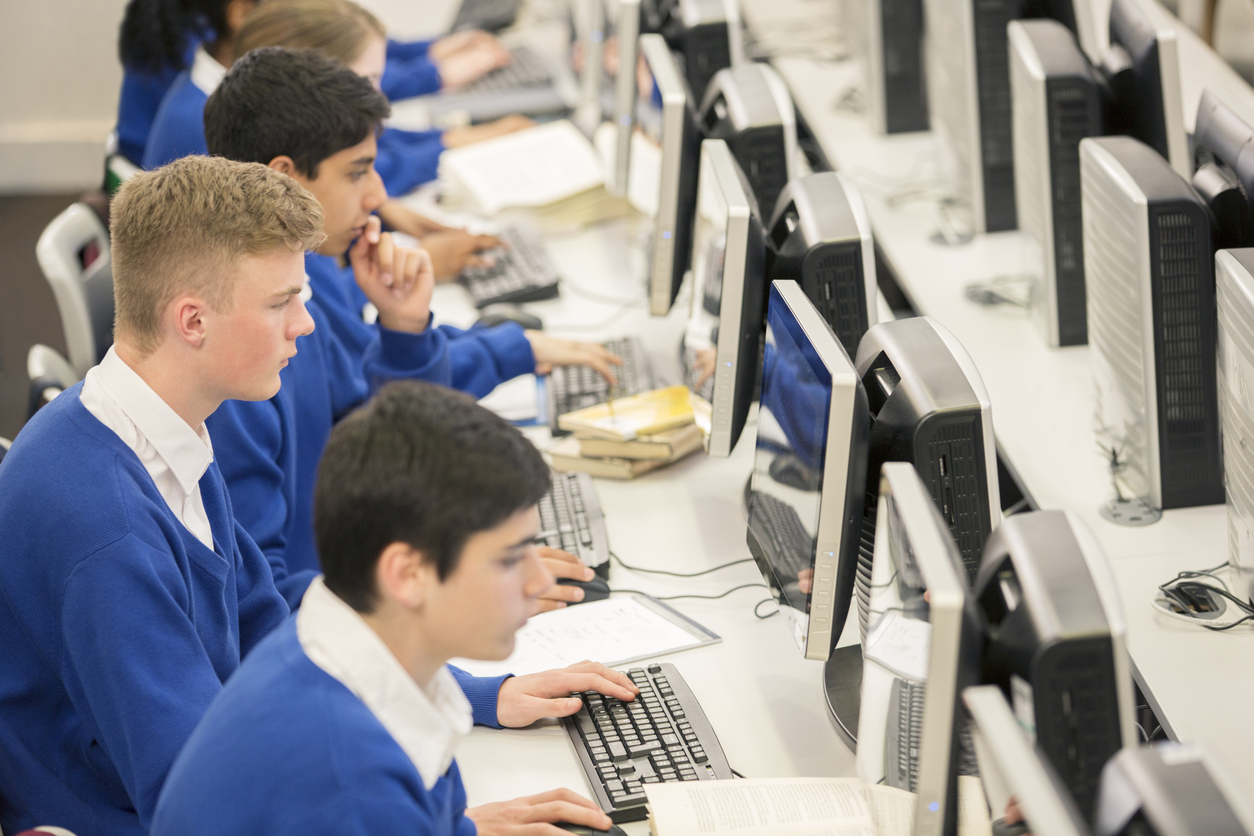
This is an edtech story because OpenAI now reaches students at national scale, from free teacher workspaces to country-level education deployments. Every one of those deployments puts a frontier model in front of minors, and every district that adopts it inherits a duty of care it cannot fully discharge itself. A named, senior owner of youth safety inside the vendor changes the risk conversation. It gives a superintendent or a CIO a person and a function to point to when a board asks who is accountable.
Buckley framed the stakes bluntly, saying that one of the most important places to work right now for children and vulnerable people is AI. He also warned that generative AI presents new challenges because emerging technologies are often adopted early by both young people and those who seek to exploit them. That is a candid acknowledgment from inside the company that the same tools schools are buying are attractive to bad actors, and that safety is a moving target rather than a shipped feature.
The Second Hire Widens the Mandate
Buckley did not arrive alone. OpenAI also hired Brian Fishman to focus on preventing the misuse of AI to enable violence and to manipulate political systems. Fishman co-founded the trust-and-safety company Cinder, spent more than five years as Facebook's senior director of counterterrorism and dangerous organizations, worked at Palantir on emergency response, and wrote a book on jihadi strategy. He said he joined to support the team working to prevent the abuse of AI to enable violence and the manipulation of political systems.
Taken together the two hires read as OpenAI building a trust-and-safety bench with platform-scale pedigree rather than startup improvisation. The pattern is familiar from the social era: companies tend to staff safety seriously only after harms force the issue. Doing it ahead of a regulatory reckoning, while courting education customers, is the more defensible posture. Whether the resourcing matches the titles is the question the next year will answer.
Hires Are Cheaper Than Guarantees
The appointments sit on top of an existing scaffold: a Child Safety Blueprint, Under 18 Principles written into the Model Spec, parental controls, age-appropriate protections and a Trusted Contact feature for mental-health support. The architecture exists on paper. What was missing was a clear human accountability layer, and that is what these hires supply. A blueprint without an owner is a press release. A blueprint with a named, experienced owner is at least an organization that can be held to it.
We would caution buyers against treating a leadership hire as proof of safety. It is a leading indicator, not a result. The harder evidence is in incident response times, transparency reporting, independent audits and what happens the first time a model fails a child in a documented case. Still, for enterprise and education procurement teams, the takeaway is concrete: ask every frontier vendor who owns youth and trust safety by name. OpenAI just made that a question with an answer.
The Competitive Pressure Behind the Move
It would be naive to read these hires purely as conscience. They are also competitive positioning. Google, Microsoft and Anthropic are all chasing the same education customers, and every one of those buyers now treats child safety as a gating requirement rather than a nice-to-have. By recruiting a child-safety leader straight out of LEGO and Google, OpenAI is signaling to superintendents and ministries that it can match or beat rivals on the one dimension where a single bad headline can end a contract.
That dynamic is healthy for the market even if the motive is mixed. When safety talent becomes a thing frontier labs compete to acquire, the salaries, the seniority and the influence of those roles rise, and so does the cost of ignoring them. We would rather see vendors poaching each other's trust-and-safety chiefs than racing only on benchmark scores. For education buyers, the practical effect is leverage: insist on named safety ownership and the market will increasingly supply it.