Delivery Finally Overtakes Pickup
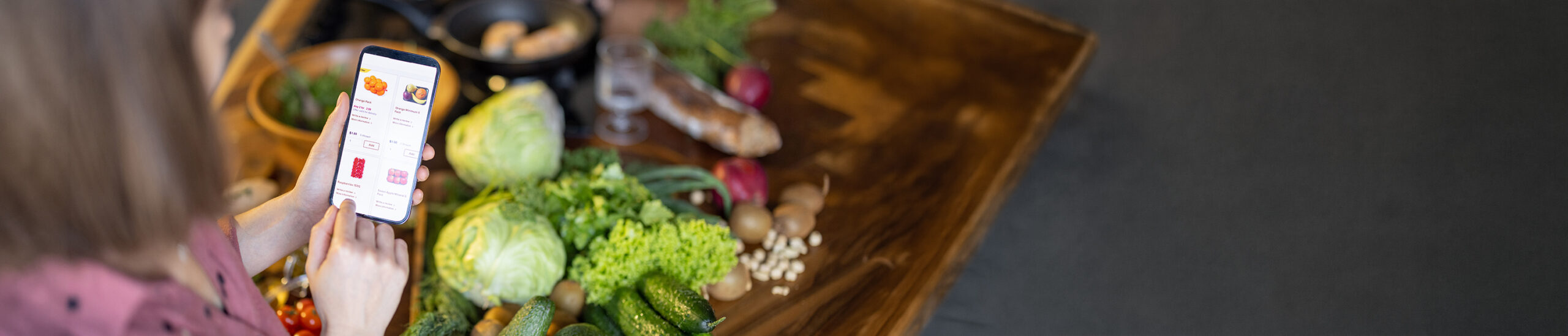
For most of the last five years, the safe bet in online grocery was that pickup would keep winning. It was cheaper for retailers, forgiving of thin delivery economics, and comfortable for shoppers who did not mind a short drive. Coresight Research's 2026 US Online Grocery Survey marks the moment that assumption breaks. The report, published July 6 and led by analyst Sujeet Naik under research chief John Mercer, finds delivery pulling ahead of collection as the preferred fulfillment method. That is a meaningful inversion of the pandemic era playbook, and it changes where grocers have to spend.
We read the shift as a maturing of consumer expectations rather than a fad. Once delivery windows tighten and reliability improves, the friction of driving to a store and waiting in a pickup lane starts to feel like the worse option, not the thrifty one. For grocers, this is expensive news. Delivery remains the hardest slice of the basket to make profitable, and a durable consumer preference for it forces the question retailers have dodged for years: who ultimately pays for the last mile, the shopper through fees, the brand through retail media, or the retailer through margin.
Quick Commerce Stops Being a Novelty
The survey's second theme is that rapid delivery has normalized. Quick commerce, the promise of groceries in tens of minutes rather than a next day slot, spent years being dismissed as a venture funded curiosity that could not survive its own unit economics. Coresight's data suggests it has instead settled into the routine, supporting both the convenience oriented dash for a missing dinner ingredient and, increasingly, more considered purchasing missions. That dual use is the important part. When a format serves both the emergency and the plan, it stops being a niche and becomes infrastructure.
For incumbents, the strategic risk is that quick commerce trains shoppers to expect immediacy across the board. A consumer who can get eggs in fifteen minutes from one app grows impatient with a two hour window from another. We think this is why traditional grocers keep experimenting with micro fulfillment and dark stores despite the cost. The alternative is ceding the highest frequency, highest loyalty trips to specialists, and with them the data and the habit. Speed, once offered, is very hard to withdraw without losing the customer to whoever will keep offering it.
The AI Assistant Enters the Cart
The most forward looking finding concerns artificial intelligence. Coresight tracked how comfortable shoppers are with AI powered assistants, including the sensitive question of auto purchasing features that let software reorder on a customer's behalf. The picture is one of curiosity tempered by caution. Consumers like the idea of an assistant that rebuilds a weekly staples list or flags a better price, but they are wary of handing over the final click. That hesitation is rational. The grocery basket is intimate, full of dietary constraints, brand loyalties, and budget lines that an overeager agent can trample.
This maps onto a broader retail forecast. Industry analysts at eMarketer project that AI native platforms will account for roughly 1.5 percent of US retail ecommerce sales in 2026, on the order of 20 billion dollars, nearly quadrupling the prior year. Grocery is a natural proving ground because so much of it is repeat, predictable, and low consideration. We expect the winning design to keep a human confirmation step for now, using AI to assemble and suggest rather than to silently transact. The retailers that earn the right to auto purchase will be the ones that first earn trust on the small stuff.
Subscriptions Are the Real Battleground
Beneath the format wars sits the quieter engine of online grocery: subscription membership. Coresight highlights the outsized role of Amazon Prime and Walmart Plus in driving engagement, and that emphasis is well placed. Membership is what converts an occasional online order into a default behavior. Free or discounted delivery removes the single biggest deterrent to buying groceries online, and once a household has paid the annual fee, the psychology of getting their money's worth pulls more of the basket onto the platform. The subscription is the moat, not the app.
That dynamic explains why so much of the sector's competitive energy now flows through membership perks rather than headline prices. Whoever owns the subscription owns the delivery relationship, the reorder data, and the retail media inventory that rides on top. We see this as the real prize behind the delivery versus pickup debate. Fulfillment method is a tactic; membership is the strategy. Grocers without a compelling subscription face a structural disadvantage, because they are renting customer loyalty one order at a time while their largest rivals have bought it in bulk.
The GLP-1 Shopper Is a New Segment
One of the survey's more surprising signals is demographic rather than technological. Coresight flags GLP-1 medication users as an emerging market segment reshaping demand, creating openings for meal-kit providers and health focused grocery offerings. As appetite suppressing treatments spread, a growing cohort of shoppers is buying less by volume but more by intention, favoring protein, portion control, and curated convenience over bulk. That is a different basket, and it does not fit neatly into the promotions and pack sizes built for the old grocery normal.
We think grocers underestimate how disruptive this is. A category built to sell more calories now has millions of customers deliberately trying to consume fewer, and they are willing to pay for products that help. The retailers and meal-kit brands that tailor assortments, portioning, and guidance to this segment stand to capture a high value, health motivated shopper at exactly the moment their habits are being rewired. Ignoring it means watching that spend migrate to specialists. In grocery, as in the rest of retail, the fastest way to lose a segment is to keep merchandising as if it does not exist.
What Grocers Should Take From This
Read together, Coresight's findings describe an online grocery market that has stopped experimenting and started standardizing. Delivery is the expected default, quick commerce is the ambient standard for speed, subscriptions are the loyalty engine, AI is the emerging interface, and new health driven segments are quietly redrawing the basket. None of these is a moonshot. They are the accumulated weight of consumer habits that formed during the pandemic and never reverted. The strategic error would be to treat any one of them as a passing trend to be waited out.
Our advice to grocery operators is to stop optimizing for the store trip and start optimizing for the recurring relationship. That means investing in delivery economics rather than resisting them, building or partnering into quick commerce before shoppers are trained elsewhere, and using AI to deepen a subscription rather than to chase a gimmick. The prize in online grocery was never a single transaction. It is the standing order, the trusted assistant, and the membership that makes a household stop shopping around. The 2026 data says that prize is now firmly in play.