Why a 50-unit chain is making a platform bet now
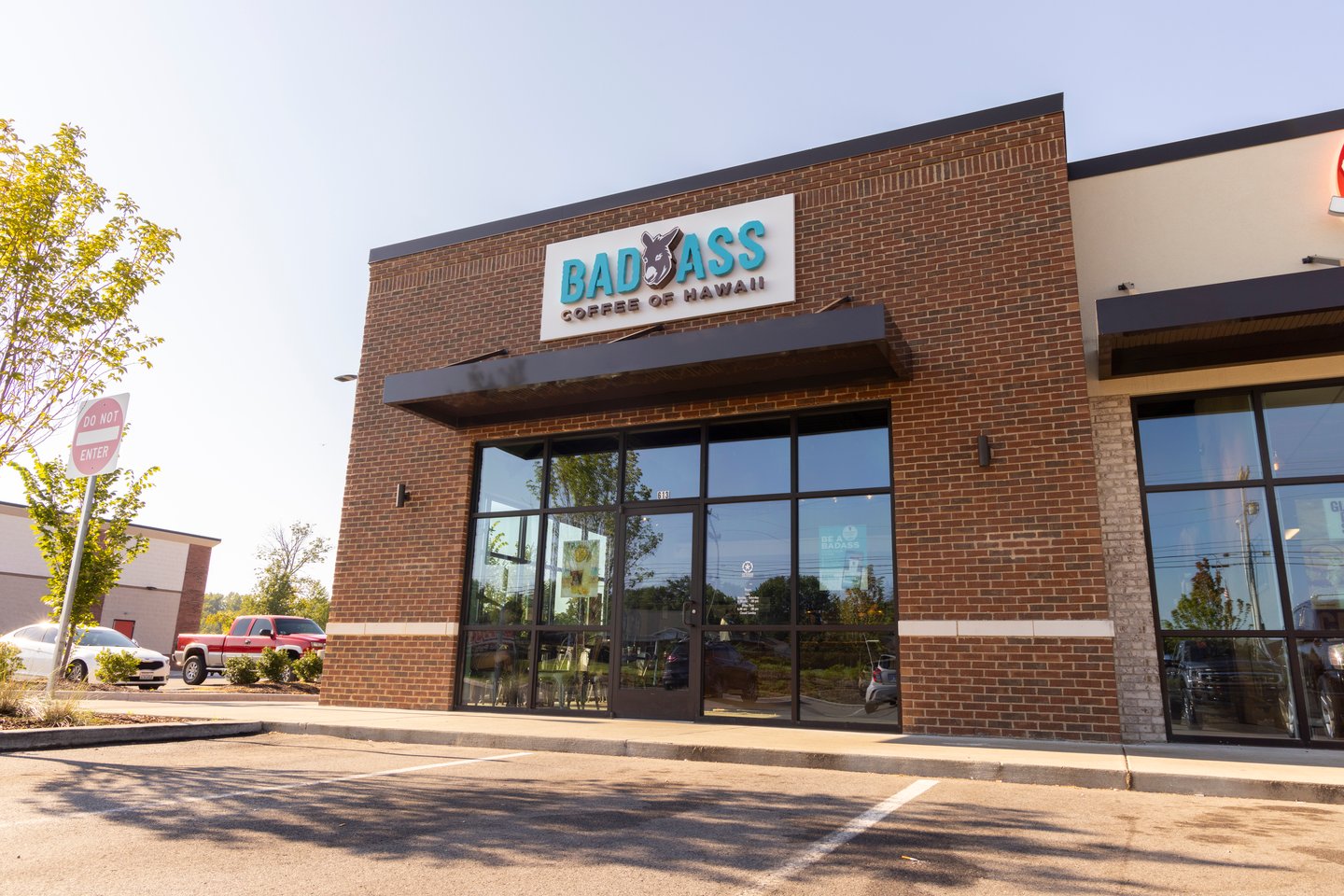
Bad Ass Coffee of Hawaii announced on October 21, 2026 that it is deploying PAR Technology's unified restaurant technology suite across its franchise network. The chain, founded in 1989, currently operates about 50 locations in the United States, but has more than 100 additional shops in various stages of development. That pipeline-to-current-store ratio is the real story here: the chain is choosing its core technology stack while it is still small enough to migrate cleanly, rather than waiting until it has 150 locations running on a patchwork of systems accumulated store by store.
That timing decision matters more than it might seem. Franchise systems that delay standardizing their technology stack until they are large tend to inherit years of inconsistent point-of-sale setups, loyalty programs bolted on by individual franchisees, and payment processing relationships negotiated independently by each location. Unwinding that kind of fragmentation later is expensive and slow, which is presumably why Bad Ass Coffee's leadership chose to make this decision now, while the migration involves roughly 50 locations instead of three times that number.
What the PAR suite actually covers
The deployment spans PAR POS, PAR OPS, PAR Ordering, PAR Pay, PAR Punchh and PAR Hardware, which together cover point-of-sale transactions, back-office operations, digital and mobile ordering, payment processing, loyalty and the physical hardware running all of it across every franchise location. PAR POS and PAR OPS specifically link front-counter sales data with back-office labor scheduling and inventory management, which is the connective tissue that most fragmented restaurant technology stacks assembled piecemeal over several years of growth tend to lack entirely.
PAR Ordering, PAR Pay and PAR Punchh then extend that same unified data layer to the customer-facing side, letting guests earn and redeem loyalty rewards consistently whether they order at the counter, through the drive-thru, or on the mobile app. The real significance sits a level below any single module working well on its own: all of these pieces read from and write to the same underlying data layer, which is precisely the part that typically breaks down when a franchise system assembles its technology stack from separate vendors signed one at a time over several years of growth.
The agentic intelligence layer is the forward-looking bet
Built into the suite is PAR Intelligence, described as PAR's agentic intelligence layer. The announcement left the specific day-to-day mechanics of that layer undetailed. Its inclusion still signals that Bad Ass Coffee is buying into whatever agentic automation capabilities PAR continues to build on top of that unified data foundation going forward, well beyond a traditional point-of-sale and loyalty bundle with a fixed feature set at the time of purchase.
That is a meaningfully different kind of vendor bet than choosing a POS system based purely on today's feature set. A franchise chain betting on an agentic intelligence layer is implicitly betting that the vendor's future roadmap will keep pace with where restaurant technology is heading, and that the roadmap matters as much as current functionality does. For a chain still in growth mode, locking in a vendor relationship on that basis carries real upside if the roadmap delivers, and real lock-in risk if it does not.
A build-versus-consolidate decision most mid-market chains face
President and COO Tom Wylie said the chain knew it needed a technology provider who could grow with it and give it one unified view of its data, and that PAR gives franchisees a unified foundation to scale the brand. That framing, built explicitly around scalability and unified data, is the clearest statement of the underlying decision: standardize now on one vendor's platform rather than let individual franchisees choose their own point solutions for ordering, loyalty or payments.
Plenty of franchise systems take the opposite approach, letting franchisees pick their own point-of-sale and loyalty vendors within loose brand guidelines, on the theory that local flexibility serves franchisees better than central mandates. Bad Ass Coffee's choice to go all-in on a single vendor across every function instead reflects a bet that the operational consistency and shared data visibility are worth the reduced franchisee flexibility, particularly heading into a growth phase that could roughly triple the chain's size.
What mid-market and franchise operators should take from this
The lesson for any franchise brand or mid-market retailer sizing up its own technology stack is less about PAR specifically and more about sequencing. Bad Ass Coffee made this decision with roughly 50 locations live and more than 100 in the pipeline, which is a meaningfully different moment than making the same decision after that pipeline has already converted into open stores running on inconsistent systems accumulated franchisee by franchisee, each with its own vendor history and its own integration quirks to untangle before any unification project could even begin.
If your organization is planning a similar growth phase, whether through franchising, acquisition, or organic store openings, the practical takeaway is to lock in your core data architecture decisions well before the unit count makes migration painful, ideally while the store count is still small enough to migrate in a single project. Whether that means consolidating onto a single vendor the way Bad Ass Coffee did, or deliberately choosing a more modular best-of-breed approach with clear integration standards defined up front, the sequencing matters more than which specific path you choose, since retrofitting a unified data layer onto an already-fragmented multi-unit footprint is consistently harder, slower and more expensive than building it in from the start of the growth curve.