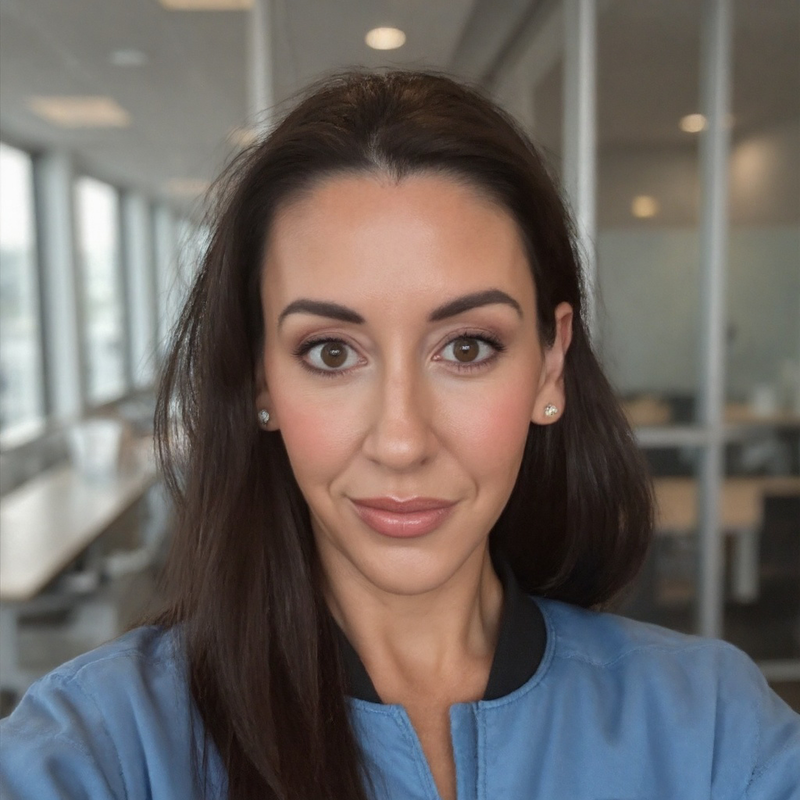
The appointment
John Ternus, set to become Apple's next CEO as Tim Cook transitions to Executive Chairman, has appointed Laura Legros to a new vice president role reporting directly to him, according to reporting published August 4, 2026. Legros will work cross-functionally across the company rather than owning a single product line, a structure that suggests Ternus wants someone with broad credibility inside engineering who can move between teams without the friction of an outsider learning Apple's internal culture from scratch.
What makes the appointment notable is who Legros is: she retired from Apple in 2022 after serving as Vice President of Hardware Engineering, where she managed product delivery and development schedules and coordinated engineering teams across multiple hardware lines. Bringing a retired executive back into a senior role is a break from Apple's normal pattern of promoting from within its existing active bench, and the timing, months before Ternus formally holds the CEO title, suggests he is assembling his own leadership team ahead of the handoff rather than waiting to inherit Cook's.
Why a retired executive, and why now
Legros is not a fresh face to Apple's public audience. She appeared at Apple product launch events, introducing the 2018 MacBook Air and unveiling the iPad Air redesign in 2020, which means she has both deep hardware engineering credibility and experience representing Apple's engineering work externally. For an incoming CEO building his first leadership layer, that combination, an operator who already knows how to run schedules across engineering teams and how to talk about the results publicly, is a hard thing to replace with an external hire.
The timing matters too. Apple confirmed in April 2026 that Cook would move to Executive Chairman and Ternus would become CEO, a transition that has been read as a signal of continuity given Ternus's 25-year tenure inside Apple's hardware organization. Making a leadership appointment months ahead of formally taking the CEO title tells Apple watchers that Ternus intends to use the transition period actively, shaping his own team rather than simply inheriting Cook's structure wholesale.
What breaking the pattern signals
Apple has built its executive bench almost entirely through decades-long internal promotion, a model that produced Cook himself and that Ternus's own rise exemplifies over roughly 25 years inside the hardware organization. Rehiring someone who chose to retire is a real departure from that model, and it raises an obvious question: was there a gap on the current bench that an active internal promotion could not fill, or is this specifically about Ternus wanting someone he has a personal working history with in his corner as he takes on the top job. Both explanations point to a leader who is treating his first months as CEO-designate as a window for deliberate team-building rather than a formality to get through before business as usual resumes.
Either reading points to the same underlying fact: leadership transitions at companies with strong internal-promotion cultures are still moments of real uncertainty at the top, even when the incoming CEO is a 25-year veteran with an obvious, well-telegraphed succession path. Ternus reaching outside the current employee roster, even to someone who was recently inside it, suggests he sees value in optionality that the standard internal pipeline was not offering him, and that he is willing to spend some of his early political capital on a hire that breaks with company norms to get it.
What it means for Apple's engineering organization
A cross-functional VP role reporting straight to the incoming CEO, rather than into an existing SVP's chain, gives Legros unusual reach without unusual formal authority over any single team. That structure lets Ternus use her as a connective tissue role, someone who can diagnose coordination problems across hardware, software, and services engineering without having to reorganize the existing SVP structure to make room for her, and without triggering the political friction that a full reporting-line change would create among peers who stayed while she was gone.
For enterprise technology leaders watching succession patterns at large tech companies, the takeaway is less about Apple specifically and more about a broader signal: even the most internally-promoted, culturally stable tech giants treat CEO transitions as a moment to actively reshape the leadership bench, not just hand over the keys. Boards and incoming chief executives elsewhere should expect similar moves, filling perceived gaps with proven operators regardless of whether they are technically still on the payroll.
What comes next
Apple had not officially announced the appointment through its own newsroom channels at the time it was first reported, which is itself notable for a company that tightly controls its executive communications and typically times leadership news to its own schedule. That gap between reporting and official confirmation suggests the move was still being finalized internally, or that Apple intended to bundle it with other transition-related announcements closer to the actual CEO handoff date rather than let it surface on its own.
Watch for whether Legros's cross-functional mandate becomes a template Ternus repeats with other appointments before he formally takes the CEO title. If more of Apple's bench gets reshuffled in the coming weeks, in ways that surface before Apple's own official confirmation, it will support the reading that this is a deliberate pre-transition build-out rather than a one-off. If it stays isolated instead, it will read more as Ternus filling a specific personal gap he identified early rather than restructuring the broader leadership team ahead of schedule.