What Xpect Solutions actually built
Xpect Solutions, a Fairfax, Virginia-based IT and cybersecurity firm that serves federal law enforcement and national security agencies, launched two platforms this month aimed at a problem every CIO in a regulated industry recognizes: compliance processes that add months to project timelines because they run separately from, and after, the actual engineering work. Adaptive Authority is a continuous authorization platform designed to replace manual compliance reviews with a standardized process that captures documentation as work happens, rather than requiring teams to reconstruct it after a project is already complete.
Adaptive Spectra addresses the second half of the same problem: secure software delivery. Instead of starting from code and retrofitting security documentation once development is underway, the platform begins with defined requirements and builds security documentation and human oversight into the process from the outset. Both platforms are built specifically for regulated environments that require auditability and governance without sacrificing delivery speed, precisely the tradeoff that federal technology programs, and plenty of private-sector regulated enterprises, have struggled to balance for years.
The authority-to-operate bottleneck this targets
The authority-to-operate process, commonly called an ATO, is one of the most persistent sources of delay in federal technology delivery, and it is well known to any enterprise CIO who has watched a similarly structured internal security review stall a project for months. The traditional process treats compliance documentation as a separate deliverable, produced after development work is functionally done, reviewed by a security team that had limited visibility into the work as it happened, and frequently sent back for revisions that require reconstructing decisions made weeks or months earlier.
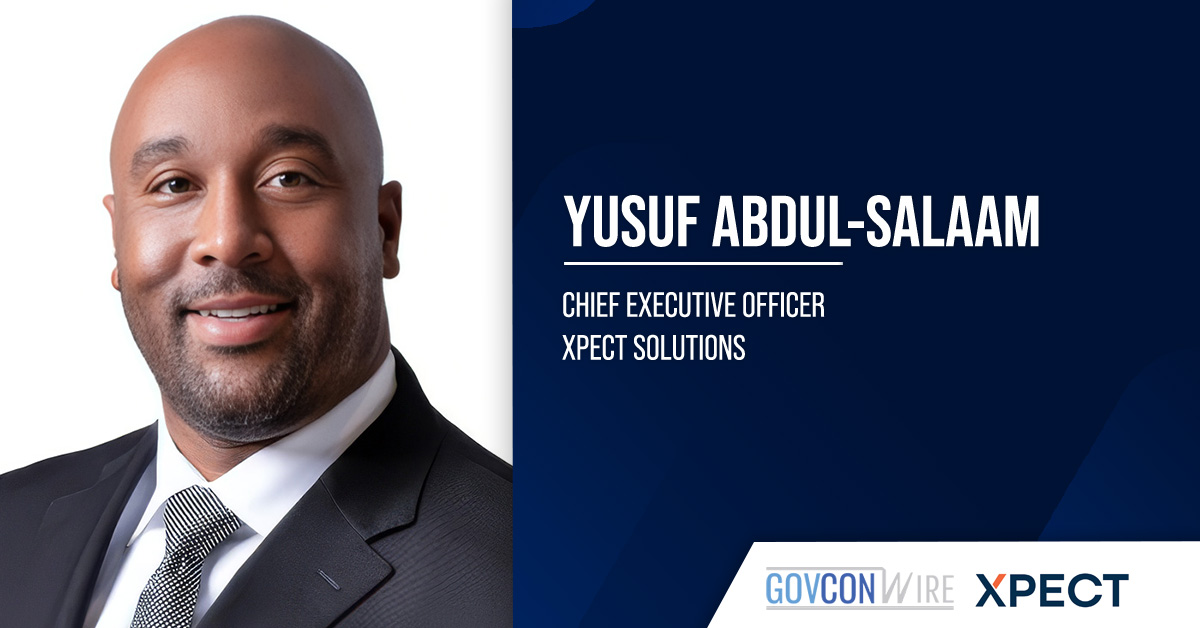
Adaptive Authority's pitch is to collapse that sequence by capturing compliance evidence continuously, as engineering decisions get made, rather than reconstructing it retroactively. CEO Yusuf Abdul-Salaam said the company built the platform because it saw the same challenges surface again and again across its own federal contracts, and concluded there was a better way to solve them. That kind of pattern recognition, built from years of delivering inside the exact bureaucratic process the product now automates, is a more credible product origin story than a platform designed by a vendor without direct delivery experience in the problem space.
Why compliance during the work beats compliance after the work
The structural insight behind both platforms is straightforward but rarely implemented well: compliance documentation produced during the work is cheaper and more accurate than documentation reconstructed after the work, because the people who made a given decision can document the reasoning in the moment, rather than a compliance team piecing it together weeks later from incomplete records. That shift moves compliance from a downstream gate that blocks delivery to a parallel process that runs alongside it, the same architectural pattern that shifted security left in software development a decade ago.
COO Amaha Tsegaye framed the goal as helping agencies solve complex mission challenges faster, with greater confidence, a pairing worth noting because speed and confidence are usually presented as a tradeoff in regulated technology delivery rather than a joint outcome. The bet embedded in both platforms is that continuous documentation actually improves confidence in the compliance posture, not just the delivery timeline, because reviewers work from a complete, contemporaneous record instead of one assembled under deadline pressure.
The PE roll-up pattern behind the launch
Xpect Solutions is a NewSpring Holdings platform company, and its path to this launch followed a pattern common across PE-backed IT services firms: build deep operational expertise delivering under existing federal contracts, including FBI network management support and NIH security services, then productize that expertise into a repeatable platform rather than continuing to sell it purely as custom services. The company's January 2025 acquisition of GovDefender fits the same logic, adding capability that presumably informed the compliance and delivery challenges these new platforms now address.
That productization move matters to PE sponsors and boards well beyond this specific deal, because it represents a scalable growth path for services-heavy portfolio companies: convert institutional delivery knowledge into software that can be sold repeatedly, rather than remaining bound to the linear economics of billable hours. Firms that make this transition successfully typically improve both margin profile and exit multiple, likely part of the strategic logic behind NewSpring backing this specific move now rather than leaving Xpect as a pure services provider.
What this means for CIOs outside government
CIOs in regulated private-sector industries, financial services, healthcare, and insurance chief among them, run internal review processes structurally similar to the federal ATO: a compliance or risk gate that sits downstream of development, reviews retrospectively, and routinely sends work back for revisions rooted in incomplete documentation. Adaptive Authority and Adaptive Spectra are built for federal customers specifically, but the architectural pattern, capturing compliance evidence continuously rather than reconstructing it after the fact, applies directly to any regulated enterprise running a similar downstream review gate today.
The practical takeaway is not necessarily to buy a federal compliance platform for a private-sector environment, since federal frameworks like ATO carry their own specific structure. It is to evaluate whether an organization's own compliance and security review processes could be redesigned around the same principle: capture the evidence when the decision happens, not weeks later when a reviewer asks for it. Enterprises that make that shift typically cut review cycle time meaningfully, because the bottleneck was never the review itself, it was the reconstruction work required to make the review possible.
The bigger governance lesson
Xpect Solutions' launch is a useful data point for a broader trend worth tracking: compliance and governance functions across both government and regulated private industry are increasingly becoming products in their own right, built by firms with direct delivery experience in the exact bureaucratic friction they now sell a fix for. That trend should push enterprise CIOs to look at their own compliance tooling market more actively, since the vendors best positioned to solve a governance bottleneck are often the ones who spent years absorbing its cost directly, not the ones building generic compliance software from the outside.
For technology leaders evaluating where to invest governance budget next, the lesson from this launch is less about the specific platforms and more about the sequencing principle underneath them: governance and compliance work embedded continuously into delivery outperforms governance bolted on at the end, in cost, in speed, and in the actual quality of the compliance record produced. That principle applies whether the review at the end of the process is a federal ATO board or a private-sector risk committee, which is exactly why a federal-focused product launch is worth an enterprise CIO's attention.