A patch that addressed the symptom, not the cause
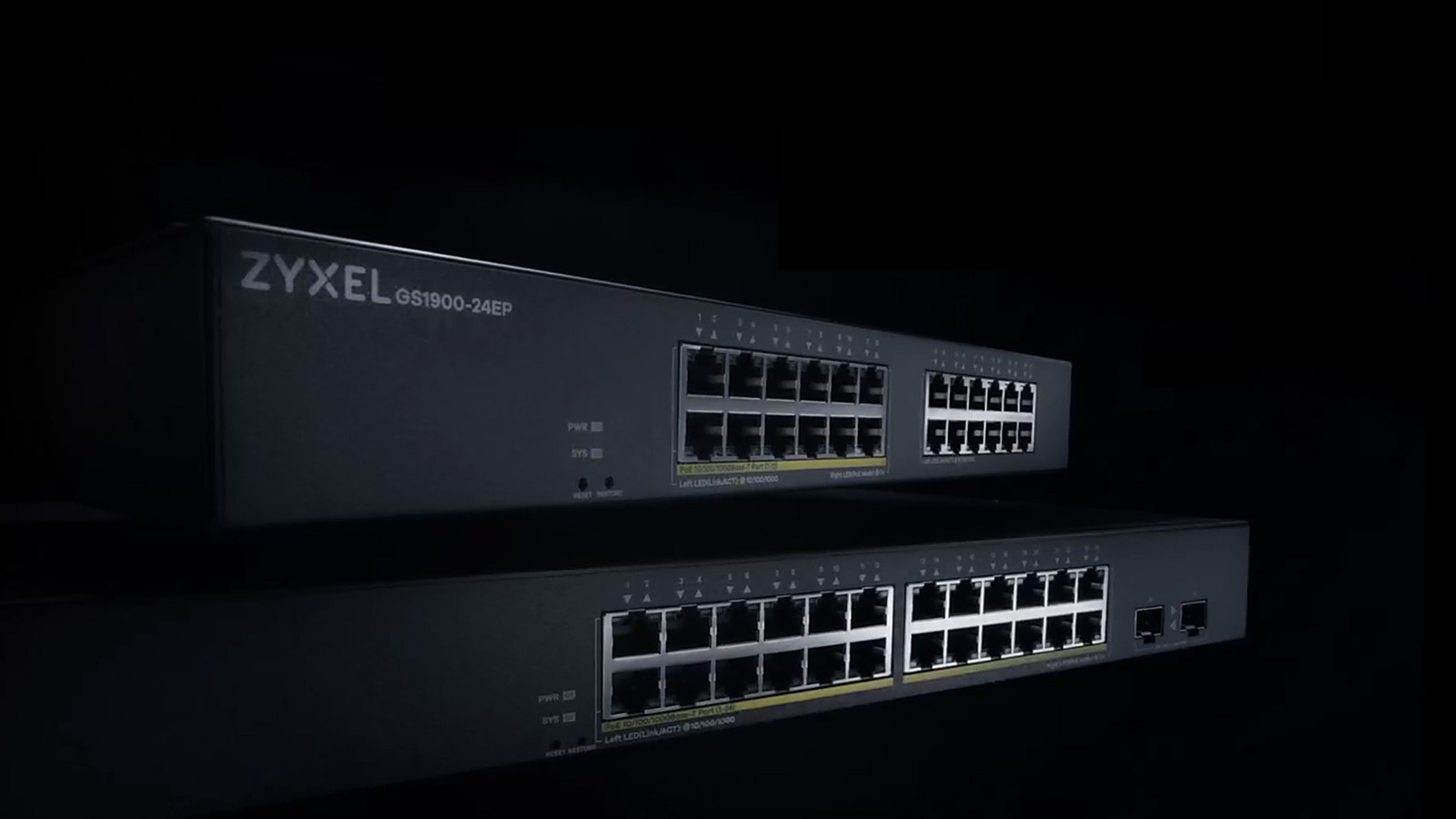
Zyxel's June 16, 2026 firmware update was meant to close CVE-2026-7273, an out of bounds write vulnerability in the GS1900 series switch management interface. The patch added buffer overflow checks, a reasonable response to the reported flaw. Binarly's research found that the actual exploit targeted a separate, unpatched flaw entirely: attackers could corrupt a parameter counter before the new validation checks ever ran, sidestepping the fix completely. All ten firmware releases that shipped with the June patch remained vulnerable to this bypass.
This is the kind of gap that happens when a vulnerability report describes the observed exploit behavior accurately but the root cause analysis stops one layer too shallow. Zyxel fixed what looked like the problem based on the initial report, shipped it, and marked the CVE resolved. The actual vulnerable code path was never touched, because nobody had traced the exploit chain far enough to find it. Binarly confirmed on September 28 that the October 22 firmware, not just the June one, would eventually be needed to close the real gap.
Nearly 1,000 switches, one threat actor, forty eight countries
GreyNoise reported 996 compromised GS1900 series devices spread across 48 countries, attributing the campaign to a suspected Chinese-speaking group it tracks as Kapibala, which it links to the previously reported Red Heron campaign. Red Heron has separately been documented exploiting a Gitea vulnerability, suggesting a threat actor that works across multiple vulnerability classes and vendor products rather than specializing in a single exploit chain. That breadth of targeting is itself a signal worth tracking, since it points to a group building a diverse portfolio of edge device access rather than chasing one product line.
The attackers' post exploitation activity on compromised switches included downloading a script that collected device configurations, hashed root credentials, and network topology information, consistent with reconnaissance aimed at either lateral movement into the broader network or building a persistent inventory of accessible infrastructure for later use. The JITTERLY backdoor and SIXZUT rootkit were found in infrastructure tied to the broader Red Heron campaign, though it is not confirmed whether those specific tools were deployed onto the compromised Zyxel switches themselves.
Network switches are the infrastructure nobody audits
GS1900 switches are the kind of unmanaged or lightly managed network infrastructure that gets deployed once and rarely revisited, small business and branch office switching hardware that does not get the same patch management attention as servers, endpoints, or even routers and firewalls. That is exactly why 996 compromised devices went largely unnoticed until GreyNoise's research surfaced the campaign. A switch sitting quietly at the edge of a network, forwarding traffic correctly, gives no obvious signal that it has also been handing an attacker a persistent foothold.
For enterprises running branch locations, retail stores, or any distributed physical footprint, this is a prompt to inventory network switching hardware with the same discipline applied to servers and endpoints. If nobody on your team can quickly answer how many Zyxel GS1900 switches are deployed across your locations and what firmware version each is running, that answer gap is the vulnerability, independent of whether CVE-2026-107441 specifically ever reaches your network.
Why a patched firmware release stayed vulnerable for four months
The timeline here deserves scrutiny from any CTO evaluating vendor patch quality, not just patch speed. Binarly reported the bypass to Zyxel on September 29. Zyxel had already confirmed a new flaw on October 11, and it did not ship corrected firmware until October 22, more than three weeks after the initial report and roughly four months after the original June patch that was supposed to have fixed this. Zyxel's advisory, published November 3, frames CVE-2026-107441 as a distinct flaw from the one patched in June, a framing that is technically defensible but understates how long the practical exposure window actually ran. Every one of those weeks was a window in which a device administrators believed was patched remained fully exploitable.
For enterprises, the lesson is that a vendor advisory confirming a patch does not guarantee the vulnerability is closed, particularly for complex memory safety issues where the initial report and the actual exploitable code path can diverge. Treating a patched CVE as fully resolved without independent verification, especially for infrastructure exposed to the internet or reachable from untrusted network segments, is an assumption this incident directly disproves. Binarly's independent research is the only reason this gap closed when it did, and most vendors do not have an outside firm checking their work for free.
The decision this forces on edge device patch verification
Most vulnerability management programs track patch application, not patch efficacy, because verifying that a fix actually closes the reported exploit path requires either vendor transparency about root cause or independent testing, both of which take real time and expertise most internal teams do not have budgeted for every CVE that crosses their network. That gap is defensible for low severity issues and indefensible for anything rated as actively exploited or sitting on CISA's Known Exploited Vulnerabilities catalog.
The practical move for CTOs managing edge network infrastructure is to treat KEV listed and actively exploited vulnerabilities differently from routine patches: track vendor follow up advisories specifically, not just the initial CVE, and build in a recheck cycle thirty to sixty days after any emergency patch for exactly this class of device. That recheck would have caught this gap in late July, nearly three months before Binarly's independent research forced Zyxel to act.
Budgeting for verification, not just patching
The honest objection to this recommendation is cost. Independent verification of a vendor's patch, whether through an internal red team exercise or a contracted firm, takes real budget and specialized skill that most enterprises have not allocated for every CVE crossing their network, nor should they for low severity issues. The right scope is narrower: reserve verification budget specifically for vulnerabilities that were actively exploited before the patch shipped, which is a small enough subset to make the cost manageable.
Nearly 1,000 compromised switches across 48 countries is the visible cost of skipping that step this time. The switches themselves are inexpensive commodity hardware, which is exactly why verification budget for this class of device tends to get deprioritized relative to spending on servers and cloud infrastructure. The actual cost sits downstream, in whatever lateral access those compromised switches gave attackers into the networks they sat on, a cost that does not show up on the device's own price tag.